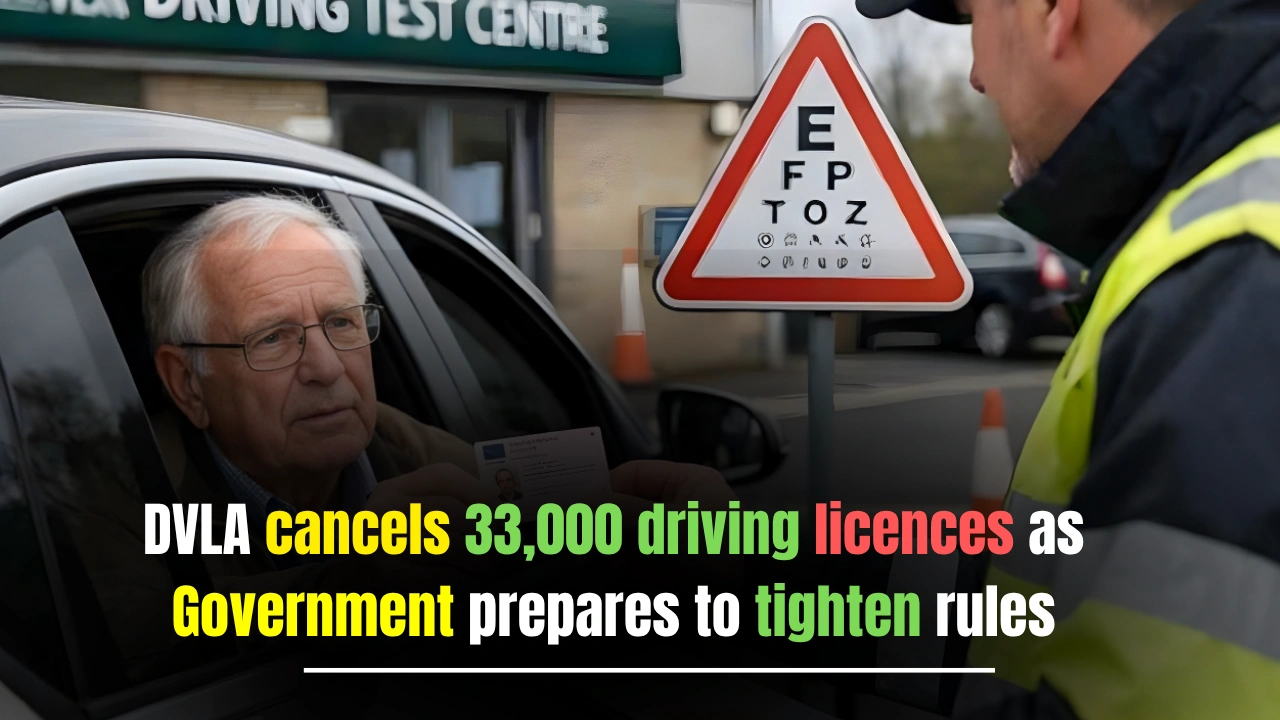
DVLA driving licence cancellation is no longer a rare issue. It is becoming a serious concern for drivers across the UK, especially as stricter safety checks begin to take shape. Over the past few years, thousands of motorists have already lost their licences, and the numbers continue to rise as authorities focus more on road safety and driver health.
The growing focus on DVLA driving licence cancellation shows a clear shift in how driving rules are being enforced. This is not just about following regulations, but about ensuring that every driver on the road is physically fit to drive safely. In this article, you will understand why licences are being cancelled, who is most affected, and what changes are expected soon.
DVLA driving licence cancellation
DVLA driving licence cancellation is becoming a key part of road safety policy in the UK. Authorities are paying closer attention to medical conditions, especially eyesight, which directly affects driving ability. Many drivers assume that licence renewal is just a routine process, but it now involves deeper checks and responsibilities. The system currently depends on drivers reporting their own health issues, but this approach is being questioned. Experts believe that not all drivers are aware of their declining vision or other conditions. As a result, new measures are being considered to make the process stricter and more reliable. Understanding how DVLA driving licence cancellation works can help drivers stay prepared and avoid sudden licence loss.
Overview of Key Data
| Category | Details |
| Total licences revoked | 32,944 |
| Time span | 4 years |
| Main cause | Eyesight-related conditions |
| Highest affected age group | 70 to 79 years |
| Cases in age 70 to 79 | 10,794 |
| Cases in age 80 to 89 | 8,060 |
| Cases in age 90+ | 1,202 |
| Current rule | Self-reporting of medical issues |
| Proposed update | Mandatory eye tests for elderly |
| Legal vision standard | Number plate readable at 20 metres |
Why licences are being revoked
The main reason behind the rise in DVLA driving licence cancellation cases is poor eyesight. Clear vision is essential for safe driving. It helps drivers read signs, judge distances, and react quickly in traffic situations.
Many drivers do not notice gradual vision loss. This makes it risky because they continue driving without realizing the danger. Authorities step in when medical information suggests that a driver no longer meets the required standards.
The legal rule is simple. A driver must be able to read a number plate from 20 metres away. If this condition is not met, the licence can be cancelled or renewal can be refused.
Government plans to tighten rules
The government is preparing to introduce stricter regulations to reduce road risks. One major proposal is compulsory eyesight testing for drivers above 70 years of age.
At present, drivers renew their licences every three years after turning 70. However, there is no mandatory eye test during this process. This gap has raised concerns about safety.
The increase in DVLA driving licence cancellation cases has pushed authorities to rethink the system. New rules may soon require regular professional eye checks to ensure drivers remain fit to drive.
Impact on older drivers
Older drivers are the most affected by these cancellations. Data clearly shows that people between 70 and 79 years form the largest group facing licence withdrawal.
As people age, eyesight naturally weakens. Conditions like cataracts and other vision problems become more common. This directly affects driving ability.
However, not every older driver is unsafe. Many maintain good health and drive responsibly. The aim of stricter checks is to identify risk, not to target age unfairly.
Legal responsibility of drivers
Every driver has a legal duty to report any medical condition that may affect driving. This includes eyesight issues and other health problems.
Ignoring this responsibility can lead to serious consequences. It may result in fines or immediate DVLA driving licence cancellation. In some cases, it can also affect insurance claims after an accident.
The current system depends on honesty and awareness. This is why authorities are now considering stronger monitoring methods.
Importance of regular eye tests
Regular eye tests are one of the easiest ways to avoid licence problems. Vision changes slowly, and many people fail to notice early signs.
Experts recommend eye check-ups every two years, and even more frequently for older individuals. Early detection can help manage issues before they become serious.
Taking care of eyesight not only helps avoid DVLA driving licence cancellation but also ensures safer driving for everyone on the road.
Key facts about licence cancellations
- Most cases are linked to eyesight problems
- Older drivers face higher risk
- Self-reporting is currently required
- Failure to report can lead to penalties
- New rules may introduce compulsory testing
What drivers should do now
- Get regular professional eye tests
- Inform authorities about any health changes
- Check if you meet the vision standard
- Stay updated with rule changes
- Renew your licence on time
Role of motoring experts and data
Recent data has helped highlight the scale of the issue. Experts believe that awareness is still low among drivers regarding vision-related risks.
They stress that eyesight problems are not limited to older people. Drivers of all ages should stay alert and take regular tests seriously.
The rise in DVLA driving licence cancellation cases shows that better awareness and early action can make a big difference.
Growing concerns about road safety
Road safety is becoming a top priority for authorities. With more vehicles on the road, even small health issues can lead to serious accidents.
The increase in DVLA driving licence cancellation cases reflects a proactive approach. Authorities want to prevent accidents rather than react after they happen.
This shift is expected to improve overall safety and reduce risks for all road users.
Future of driving regulations
The future of driving rules is likely to be more strict and structured. Health checks, especially eyesight tests, will play a bigger role.
Digital records and better tracking systems may also be introduced. These changes aim to make the process more accurate and fair.
With rising DVLA driving licence cancellation numbers, it is clear that stricter rules are on the way.
FAQs
What is DVLA driving licence cancellation?
It refers to the process where a driving licence is revoked or not renewed due to medical or safety concerns, mainly poor eyesight.
Who is most affected by licence cancellations?
Drivers aged 70 and above are the most affected due to higher chances of vision-related issues.
What is the eyesight requirement for driving?
Drivers must be able to read a number plate from 20 metres to meet the legal standard.
Can you lose your licence for not reporting a medical condition?
Yes, failing to report a condition can lead to fines or licence cancellation.
Will new rules apply to all drivers?
Most new rules will focus on older drivers, but all drivers must meet health and safety standards.