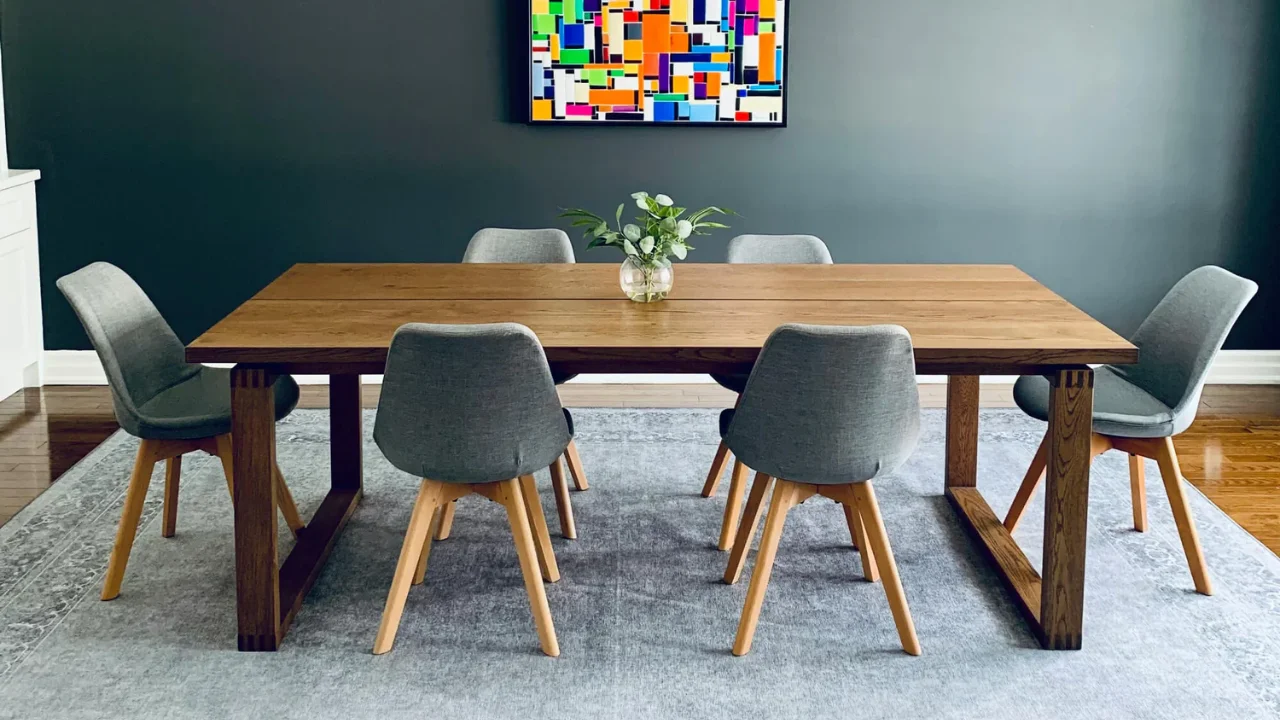
Dining Table Alternatives: Dining Table Alternatives are quietly reshaping how we live, eat, and connect inside our homes. Not long ago, the dining table was a must-have in every household, but today many people are choosing smarter and more flexible options. Dining Table Alternatives are becoming the preferred choice because they match modern lifestyles where space, comfort, and functionality matter more than tradition.
In this article, we will explore how Dining Table Alternatives are replacing the classic dining setup. You will learn why this shift is happening, what trends are leading the change, and how you can adapt your own home. From multi-use kitchen islands to cozy lounge-style dining, this guide gives you a clear and practical view of modern living.
Dining Table Alternatives
Dining Table Alternatives are not just a design trend. They reflect a real change in how people use their homes in 2026. With smaller apartments, remote work, and open layouts becoming common, the need for a fixed dining space is fading. Instead, people prefer flexible setups that support eating, working, and relaxing in one place.
These alternatives include kitchen islands with seating, foldable tables, breakfast counters, and soft dining arrangements with sofas or benches. Each option focuses on saving space while improving comfort. Many homeowners are now removing bulky dining tables and replacing them with smarter solutions that suit daily life better. The idea is simple. Make every part of the home useful and enjoyable without wasting space.
Overview of Modern Dining Trends
| Aspect | Modern Dining Approach |
| Space Usage | Multi-functional spaces instead of dedicated rooms |
| Furniture Style | Lightweight and flexible designs |
| Dining Setup | Kitchen islands and breakfast bars |
| Comfort Level | Relaxed and cozy seating |
| Storage | Built-in storage options |
| Lifestyle Fit | Supports work, meals, and social time |
| Design Trend | Open-plan living spaces |
| Sustainability | Less bulky and resource-heavy furniture |
| Flexibility | Expandable or foldable solutions |
| Social Interaction | More casual and interactive environments |
The Evolution of the Domestic Hub
The dining table once represented routine and family bonding. It was where meals were shared and conversations happened daily. However, modern homes have started to move away from this fixed idea.
Today, many dining rooms remain unused most of the year. This has led homeowners to rethink how they use their space. Instead of keeping a large table for occasional use, people now prefer flexible setups that serve everyday needs.
Urban living has also influenced this shift. Apartments are smaller, and every square foot matters. This is where Dining Table Alternatives become practical. They help create open, breathable spaces without sacrificing functionality.
The Kitchen Island: The New Social Anchor
The kitchen island has become one of the most popular Dining Table Alternatives in modern homes. It is no longer just a cooking surface. It now acts as a central hub for meals, work, and social interaction.
With built-in seating, kitchen islands allow people to cook and talk at the same time. This creates a more connected environment. Families can gather around the island for quick meals or casual conversations.
Another advantage is efficiency. Kitchen islands combine multiple functions in one place. They save space while offering storage, seating, and workspace. This makes them ideal for modern lifestyles where convenience is key.
Comparing Tradition vs. The New Trend
The difference between traditional dining tables and modern alternatives is clear. Traditional setups require a separate space and are mostly used for meals. In contrast, Dining Table Alternatives offer flexibility and multi-purpose use.
Modern setups encourage movement and interaction. People are no longer limited to sitting in one place. They can move freely, making the home feel more dynamic and lively.
This shift also reflects changing habits. People now prefer informal dining experiences over formal settings. This makes alternatives more suitable for everyday life.
The Rise of “Soft Dining” and Lounge Culture
Soft dining is another trend that is redefining how people eat at home. It focuses on comfort and relaxation rather than structure. Instead of chairs and tables, people use sofas, cushions, and low-height surfaces.
This approach creates a warm and inviting atmosphere. It feels less formal and more personal. Many homes now include corner seating or lounge areas that double as dining spaces.
Dining Table Alternatives like soft dining setups are especially popular among younger homeowners. They prefer spaces that feel comfortable and flexible. This trend also encourages longer and more relaxed gatherings.
How Remote Work Killed the Formal Dining Room
Remote work has played a major role in changing home layouts. When people started working from home, dining tables became temporary desks. This revealed their limitations.
Dining tables are not designed for long hours of work. They lack proper support and can create discomfort. As a result, many people converted dining rooms into home offices.
Once this change happened, the need for a dining table decreased. People realized they could eat comfortably in other areas. This made Dining Table Alternatives even more appealing.
Sustainable and Minimalist Influences
Sustainability is another factor driving this trend. Large dining tables require more materials and resources. They are also harder to move and maintain.
Modern homeowners are choosing furniture that is practical and eco-friendly. They prefer fewer but better items that serve multiple purposes. This aligns with the principles of minimalism.
Dining Table Alternatives support this approach by reducing clutter and improving efficiency. They allow people to use their space wisely while maintaining a clean and modern look.
Designing Your Home Without a Table
Designing a home without a dining table requires thoughtful planning. The key is to create zones within an open space. This helps define areas for different activities without using walls.
You can use rugs, lighting, or furniture placement to create a dining area. For example, a breakfast bar near the kitchen can serve as a casual eating space.
Choose furniture that is flexible and easy to move. Foldable tables or extendable surfaces can be useful when hosting guests. Comfort should also be a priority, especially if you are using soft dining setups.
The Future: Interactive Living Surfaces
The future of home design is moving toward smart and interactive surfaces. Technology is becoming part of everyday furniture. This includes countertops with built-in cooking systems and charging features.
In the coming years, dining surfaces may become fully integrated into the home. They will serve multiple functions, from cooking to entertainment.
This makes traditional dining tables feel outdated. Dining Table Alternatives are evolving to match modern needs, offering smarter and more efficient solutions.
FAQs
Are Dining Table Alternatives suitable for large families?
Yes, they can work well for families. Options like kitchen islands or expandable tables provide enough space while staying flexible.
What is the most popular Dining Table Alternative in 2026?
Kitchen islands remain the top choice because they combine seating, storage, and workspace in one design.
Can Dining Table Alternatives save space?
Yes, they are designed to maximize space by combining multiple functions in one area.
Is soft dining practical for daily use?
Yes, it is comfortable and works well for casual meals, especially in smaller homes.
Do Dining Table Alternatives affect home value?
In many cases, they improve appeal because buyers prefer modern and flexible layouts.