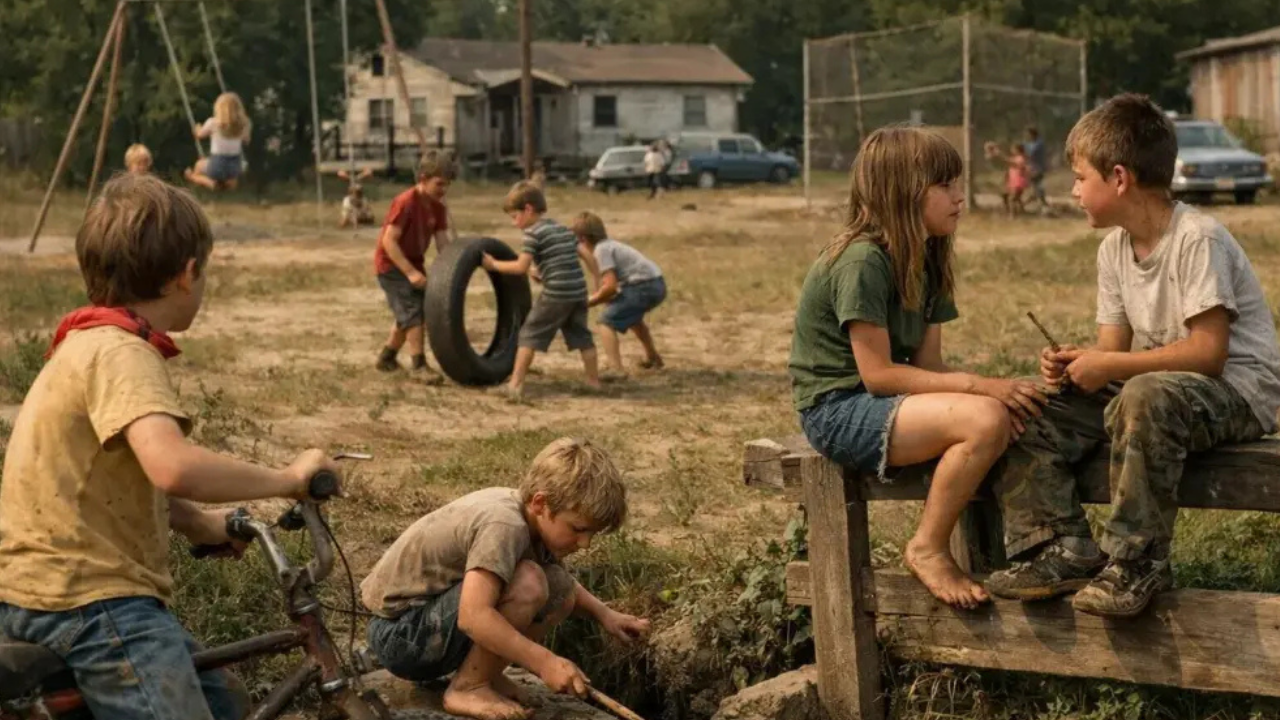
Emotionally Durable Generation is a phrase that is starting to get serious attention as people reflect on how childhood used to be decades ago. Many adults today look back and realize that growing up with less supervision, fewer rules, and more independence shaped them in ways that modern parenting often does not. The idea of an Emotionally Durable Generation is not about perfect childhoods. It is about how real life experiences built emotional strength.
In this article, we will explore how this Emotionally Durable Generation developed, why freedom played such a big role, and what modern parents and individuals can learn from it. You will understand how independence, risk, and real world exposure helped children grow emotionally strong, along with the hidden challenges that came with it.
Emotionally Durable Generation and why it still matters today
The idea of an Emotionally Durable Generation is not just about the past. It connects deeply with current parenting trends, rising anxiety levels, and the way children handle stress today. Studies in recent years show that children who experience controlled independence tend to develop stronger emotional regulation and better decision making skills. This generation learned to deal with boredom, conflict, and failure without immediate help, which built resilience over time. Today, many experts believe that a lack of unstructured time and constant adult involvement may limit emotional growth. Understanding the Emotionally Durable Generation helps parents, educators, and even adults rethink how independence and emotional strength are developed in real life.
The art of benign neglect
Benign neglect may sound harsh, but in reality it created space for children to grow. Parents were not always available to solve every problem. Life was busy, and children had to figure things out on their own.
This approach shaped the Emotionally Durable Generation in a powerful way. When children are not rescued immediately, they learn patience, problem solving, and emotional control. These are key skills for long term success.
Instead of constant guidance, children developed self trust. They learned how to calm themselves, think clearly, and act independently. This kind of learning cannot be fully taught. It comes from experience.
Free play wasn’t scheduled it was survival
Free play in the 1960s and 70s was not an activity planned by parents. It was a daily routine. Children spent hours outside creating games, solving arguments, and building friendships without supervision.
This freedom played a huge role in shaping the Emotionally Durable Generation. Children learned social skills in real situations. They experienced wins and losses without interference.
Modern research in 2025 highlights that unstructured play improves emotional regulation and reduces stress levels in children. Back then, children naturally got this benefit.
What free play taught children
- Independence and decision making
- Conflict resolution without adult help
- Creativity and imagination
- Risk assessment and safety awareness
These experiences helped build the Emotionally Durable Generation by preparing children for real life challenges early on.
The hidden costs of toughness
While there were many benefits, there were also downsides. Emotional needs were often overlooked. Many children grew up without open conversations about feelings.
The Emotionally Durable Generation became strong, but sometimes at the cost of emotional expression. People learned to hide pain instead of sharing it.
Recent psychological discussions in 2026 suggest that emotional suppression can lead to long term stress and communication issues. This shows that toughness alone is not enough.
Common emotional challenges faced
- Difficulty expressing feelings clearly
- Fear of vulnerability
- Emotional distance in relationships
- Internal stress buildup
This reminds us that while the Emotionally Durable Generation gained resilience, emotional balance is equally important.
Growing up faster meant something different
Children in that era took responsibility early. Many worked part time jobs, helped at home, and handled real life situations at a young age.
This early exposure helped create the Emotionally Durable Generation. It taught discipline, responsibility, and practical skills.
Growing up faster did not mean losing childhood completely. It meant learning through real experiences instead of controlled environments.
This type of growth built confidence and prepared children for adulthood in a natural way.
What we gained and what we lost
Looking back, it is clear that every generation has strengths and weaknesses. The Emotionally Durable Generation gained independence, resilience, and strong coping skills.
At the same time, they often lacked emotional support and open communication. Today, parenting has shifted toward emotional awareness, but sometimes limits independence.
The best approach lies in balance. Children need both freedom and support to grow fully.
Key takeaways from this generation
- Independence builds long term confidence
- Failure is an important teacher
- Too much control can reduce resilience
- Emotional support should not be ignored
By learning from the Emotionally Durable Generation, modern society can create a healthier approach to raising children.
Bottom line
The Emotionally Durable Generation shows that strength often comes from experience, not perfection. Life lessons learned through freedom, mistakes, and independence shaped a generation that could handle challenges with confidence.
At the same time, their story reminds us that emotional connection matters just as much as resilience. The goal is not to copy the past, but to understand it and apply the best parts to today’s world.
FAQs
What does Emotionally Durable Generation mean?
It refers to people who developed strong emotional resilience due to independent and less supervised childhoods.
Why were children in the 1960s and 70s more independent?
They had fewer restrictions, less supervision, and more freedom to explore and solve problems on their own.
Is benign neglect good for children?
In small amounts, it can help build independence, but it should be balanced with emotional support.
How does free play help emotional development?
Free play allows children to learn social skills, manage emotions, and handle real life situations naturally.
Can modern parenting learn from this generation?
Yes, parents can allow more independence while still providing emotional guidance and support.