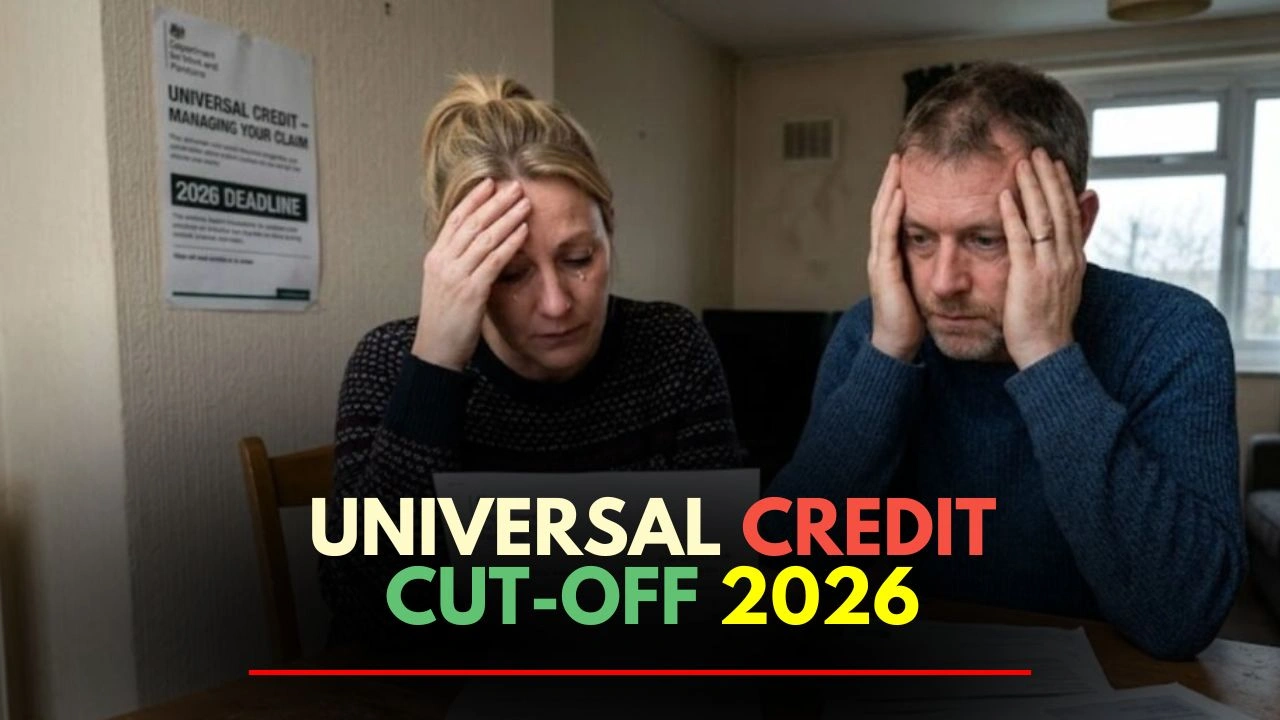
Universal Credit Cut-Off 2026 is now a major concern for thousands of families across the United Kingdom. With the deadline arriving, many households are facing the real risk of losing their financial support if they do not act quickly. This change is not just another policy update. It directly affects everyday living, rent payments, and basic household needs for people who depend on benefits.
The Universal Credit Cut-Off 2026 is part of a long planned reform to move people from older benefits into a single system. In simple terms, it means that if you are still receiving legacy benefits and have not switched, your payments could stop. This article breaks down everything you need to know, including deadlines, risks, and what steps you should take right now.
Universal Credit Cut-Off 2026
The Universal Credit Cut-Off 2026 is the final stage of the government’s migration process that replaces older benefits with Universal Credit. This transition has been ongoing since 2022, but now it has reached a critical point where action is no longer optional. Around 356,000 households are still at risk because they have not completed the required steps. If you have received a migration notice, you must respond within three months to avoid losing your payments. The Universal Credit Cut-Off 2026 also affects eligibility for extra financial support such as transitional protection. Missing the deadline can lead to reduced income and financial stress. Understanding how this process works is important if you want to protect your benefits and avoid disruption.
Overview Table
| Key Information | Details |
| Deadline | March 31, 2026 |
| Households at Risk | 356,521 |
| Migration Notices Issued | 1.82 million |
| Successful Transfers | 1.57 million |
| Pending Cases | 10,600+ |
| Benefits Replaced | Six legacy benefits |
| Better Financial Outcome | 1.4 million people |
| No Change in Payment | 300,000 people |
| Lower Payments Expected | 900,000 people |
| Transitional Protection Eligible | 600,000 people |
Managed Migration Program Explained
The migration process is being handled by the Department for Work and Pensions, which is responsible for managing welfare benefits in the UK. The aim is to simplify the system by combining multiple benefits into one monthly payment.
Since July 2022, more than 1.8 million households have received notices asking them to switch. While many have completed the process, a significant number have not yet responded. The Universal Credit Cut-Off 2026 makes it clear that delays can no longer continue.
Three-Month Deadline Rule
A key part of the Universal Credit Cut-Off 2026 is the strict three month response window. Once a migration notice is issued, the countdown begins immediately.
If you apply within this period, your transition will be smoother and you may qualify for extra support. If you miss it, your existing benefits could stop without warning. This rule is designed to push timely action, but it has also created confusion among claimants.
Understanding this timeline is essential because it directly affects your financial stability.
Six Benefits Being Replaced
The reform replaces six older benefits with a single system. These include:
- Working Tax Credit
- Child Tax Credit
- Housing Benefit
- Income related Employment and Support Allowance
- Income Support
- Income based Jobseeker’s Allowance
This change aims to simplify payments, but it also requires individuals to take responsibility for switching on time under the Universal Credit Cut-Off 2026.
Financial Impact on Claimants
The financial outcome of switching is not the same for everyone. Data shows a mixed impact under the Universal Credit Cut-Off 2026.
Some people will benefit, while others may face reduced payments depending on their situation.
- Around 1.4 million people are expected to receive more money
- About 300,000 will see no difference
- Nearly 900,000 may receive less
This makes it important to check your expected payments before making the switch.
Transitional Protection Support
Transitional protection is a safety net designed to help people adjust financially. Under the Universal Credit Cut-Off 2026, around 600,000 people may qualify for this support.
It ensures that your income does not drop immediately after switching. However, there are strict conditions attached.
Key Conditions for Protection
- You must move through the official migration process
- You must respond before the deadline
- Late applications are not eligible
This means timing plays a crucial role in securing financial stability.
Risks of Missing the Deadline
Missing the Universal Credit Cut-Off 2026 can have serious consequences. Many people assume they can switch later without issues, but this is not the case.
Here is what could happen:
- Your current benefits may stop completely
- You may lose access to transitional protection
- You could receive lower payments in the future
- Delays in new payments may occur
These risks highlight why immediate action is important.
Benefits Calculator and Support Tools
To help people prepare, the government provides tools such as benefits calculators. These tools allow you to estimate how much you will receive under Universal Credit.
They are especially useful during the Universal Credit Cut-Off 2026 because they give you a clear idea of your financial situation before switching. This helps you plan better and avoid unexpected changes.
Why Some Households Are Still at Risk
Despite clear communication, thousands of households have not completed the process. The Universal Credit Cut-Off 2026 has exposed several challenges.
Common reasons include:
- Lack of awareness about deadlines
- Confusion about how to apply
- Concerns about reduced payments
- Delayed response to official notices
Addressing these issues is important to ensure that people do not lose essential support.
What Claimants Should Do Now
If you have received a notice, you should act immediately. The Universal Credit Cut-Off 2026 does not allow room for delay.
Here are simple steps to follow:
- Read your migration notice carefully
- Apply within the given timeframe
- Use a benefits calculator to check your entitlement
- Seek guidance if you are unsure
Taking action now can prevent financial loss and ensure a smoother transition.
FAQs
What is the Universal Credit Cut-Off 2026?
It is the final deadline to switch from old benefits to Universal Credit. Missing it can result in loss of payments.
Who is most affected by the Universal Credit Cut-Off 2026?
Households still receiving legacy benefits and those who have not responded to migration notices are most at risk.
Can I apply after the deadline?
Yes, but you may lose transitional protection and could receive lower payments.
What is transitional protection?
It is temporary financial support that prevents an immediate drop in income after switching, but only if you apply on time